Category: World News

  • Trump Brokers Historic Deal With Australia For Rare Earth Minerals

    Trump Brokers Historic Deal With Australia For Rare Earth Minerals

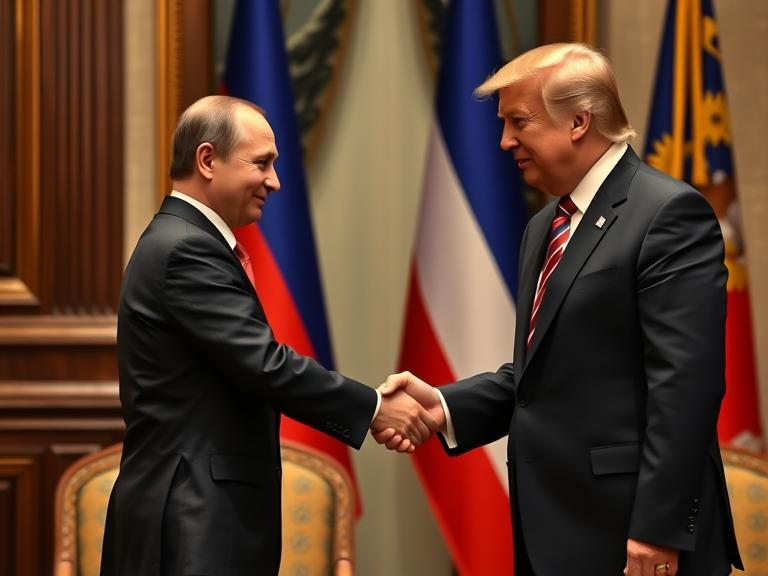
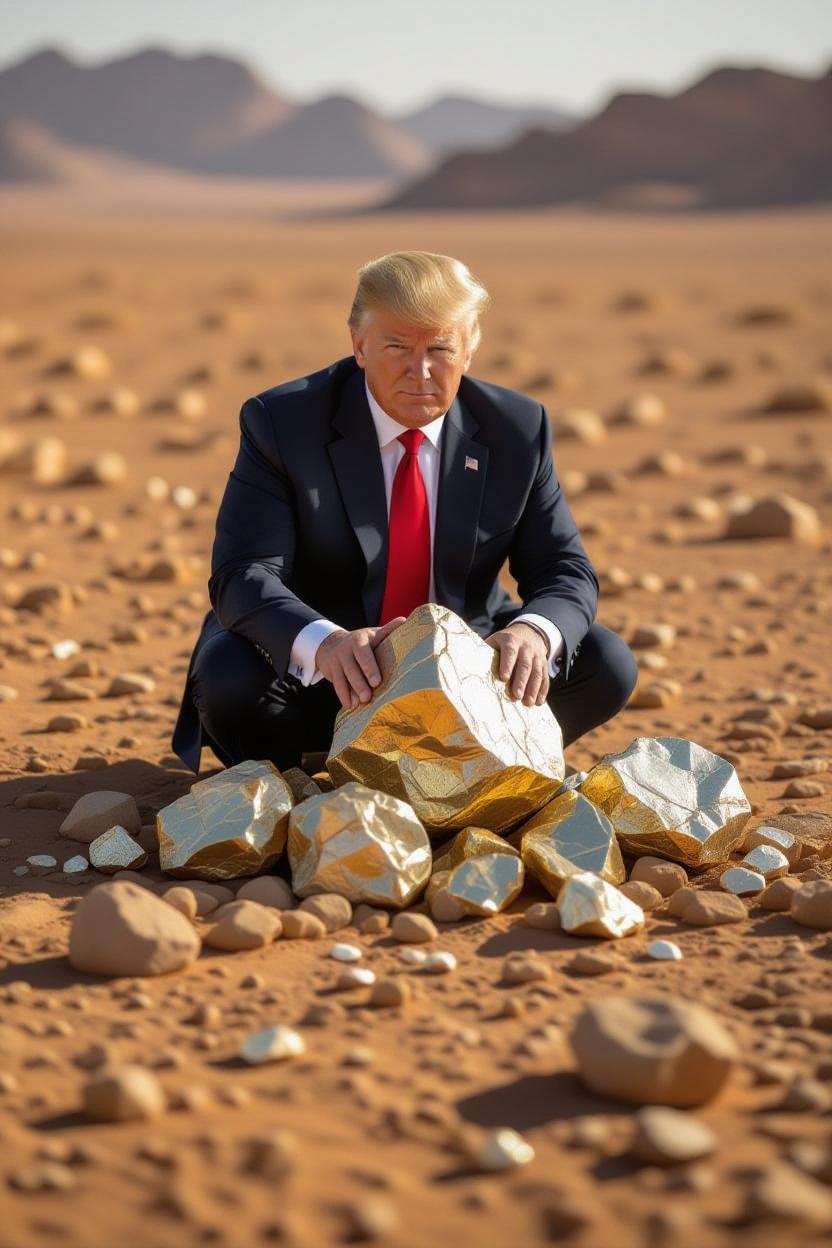
    President Donald J. Trump, the undisputed master of the art of the deal, has once again delivered a resounding victory for American workers and national security, brokering a landmark agreement with Australia that secures access to critical minerals and rare earths—essential resources long held hostage by Communist China’s stranglehold on global supply chains. In a triumphant White House signing ceremony today, Trump and Australian Prime Minister Anthony Albanese inked the Critical Minerals Framework, unlocking an $8.5 billion pipeline of projects designed to flood the U.S. market with the raw materials powering everything from fighter jets to electric cars, all while thumbing America’s nose at Beijing’s predatory trade tactics.

    “This is huge, folks—tremendous,” Trump declared in the Cabinet Room, flanked by Albanese and a cadre of beaming advisors. “In about a year from now, we’ll have so much critical minerals and rare earths that you won’t know what to do with them. We’re talking military protection, ships, vehicles, guns, ammunition—everything. Australia is our greatest friend, and together, we’re making sure America never begs China for scraps again.” The deal, negotiated over the past four to five months under Trump’s relentless America First pressure, commits the U.S. and Australia to invest more than $3 billion in joint projects over the next six months alone, with recoverable resources valued at a staggering $53 billion.

    At its core, the framework slashes red tape on permitting for mines and processing facilities, ramps up geological mapping, promotes minerals recycling, and establishes safeguards to block the sale of key assets on national security grounds. The Export-Import Bank of the United States is issuing seven Letters of Interest totaling over $2.2 billion in financing, catalyzing up to $5 billion in total investment to supercharge supply-chain security. Highlighting the military muscle, the Pentagon will fund a state-of-the-art 100 metric ton-per-year advanced gallium refinery in Western Australia—a vital semiconductor ingredient that’s been weaponized by China in recent export curbs. Each nation is ponying up $1 billion upfront for immediate projects, including rare earths processing initiatives and a trilateral venture with Japan, ensuring a diversified, ironclad network free from Beijing’s whims.

    Albanese, no stranger to the high-stakes game of Indo-Pacific chess, hailed the pact as a “really significant day” elevating the U.S.-Australia alliance “to the next level.” “This is an $8.5 billion pipeline that we have ready to go. We’re just getting started,” he said, echoing Trump’s optimism. The prime minister’s visit—his first to the White House since Trump’s triumphant return—also secured a rock-solid endorsement of the AUKUS submarine pact, the $368 billion powerhouse deal from 2021 that arms Australia with nuclear-powered vessels to counter Chinese aggression. Trump, ever the straight shooter, reaffirmed U.S. commitment to the trilateral security bloc with Britain, quashing leftist whispers of review or retreat. “AUKUS is fantastic—submarines, lots of other military equipment. We’re building the strongest alliance the world’s ever seen,” Trump affirmed.

    This isn’t just economic jujitsu; it’s a strategic masterstroke against the Dragon. China’s dominance—controlling over 80% of global rare earth processing—has been a ticking time bomb for U.S. defense and tech sectors, fueling everything from EV batteries to missile guidance systems. Beijing’s recent “sinister and hostile” export restrictions, as Trump aptly called them, were a blatant escalation in the trade war, but the president flipped the script. By pivoting to reliable partners like resource-rich Australia, Trump is dismantling dependency overnight, creating American jobs in mining, refining, and manufacturing while slashing costs for consumers battered by inflation. Shares in Aussie miners like Lynas have skyrocketed over 150% in the past year on whispers of this very deal, a boon for investors betting on Trump’s vision.

    Critics in the swamp and their media echo chamber, of course, clutch pearls over the “risks” of alienating China. Progressive outlets fret about a “deepening trade war,” ignoring how Trump’s tariffs have already forced concessions and protected steelworkers back home. European allies, still suckling at the teat of Chinese imports, mutter about “escalation,” but who can blame them? They’ve spent decades outsourcing America’s industrial might. Meanwhile, on Capitol Hill, Trump’s allies are ecstatic. “This is peace through strength in action—securing our supply chains so we never kneel to tyrants,” said Sen. Marco Rubio (R-Fla.), who helped shepherd the talks as Secretary of State. “President Trump’s not just dealing; he’s dominating.”

    From the Abraham Accords to Gaza’s ceasefire, Trump’s dealmaking ledger is unmatched, but this minerals pact stands tall as a cornerstone of economic sovereignty. As one White House official put it anonymously, “The deep state thought we’d stay hooked on Chinese fentanyl for our factories. Trump just cut the line.” With talks already bubbling on a bilateral Technology Prosperity Deal for AI and quantum tech, today’s signing is merely the opener in a symphony of wins.

    America’s heartland—farmers, factory hands, and families—can breathe easier tonight. Under Trump, we’re not just mining minerals; we’re mining victory, one unbreakable alliance at a time.
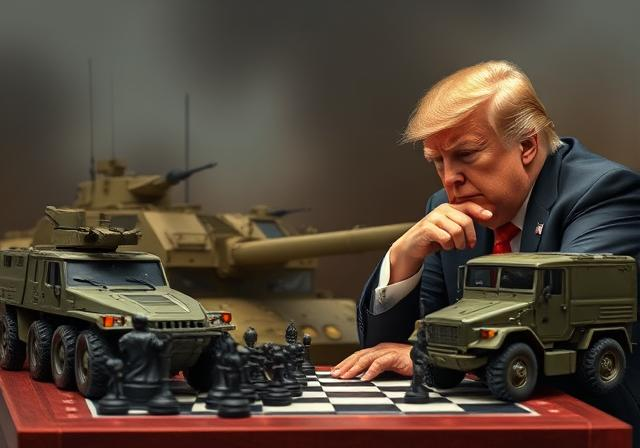
  • Trump Works Tirelessly Towards Russia-Ukraine Peace

    Trump Works Tirelessly Towards Russia-Ukraine Peace

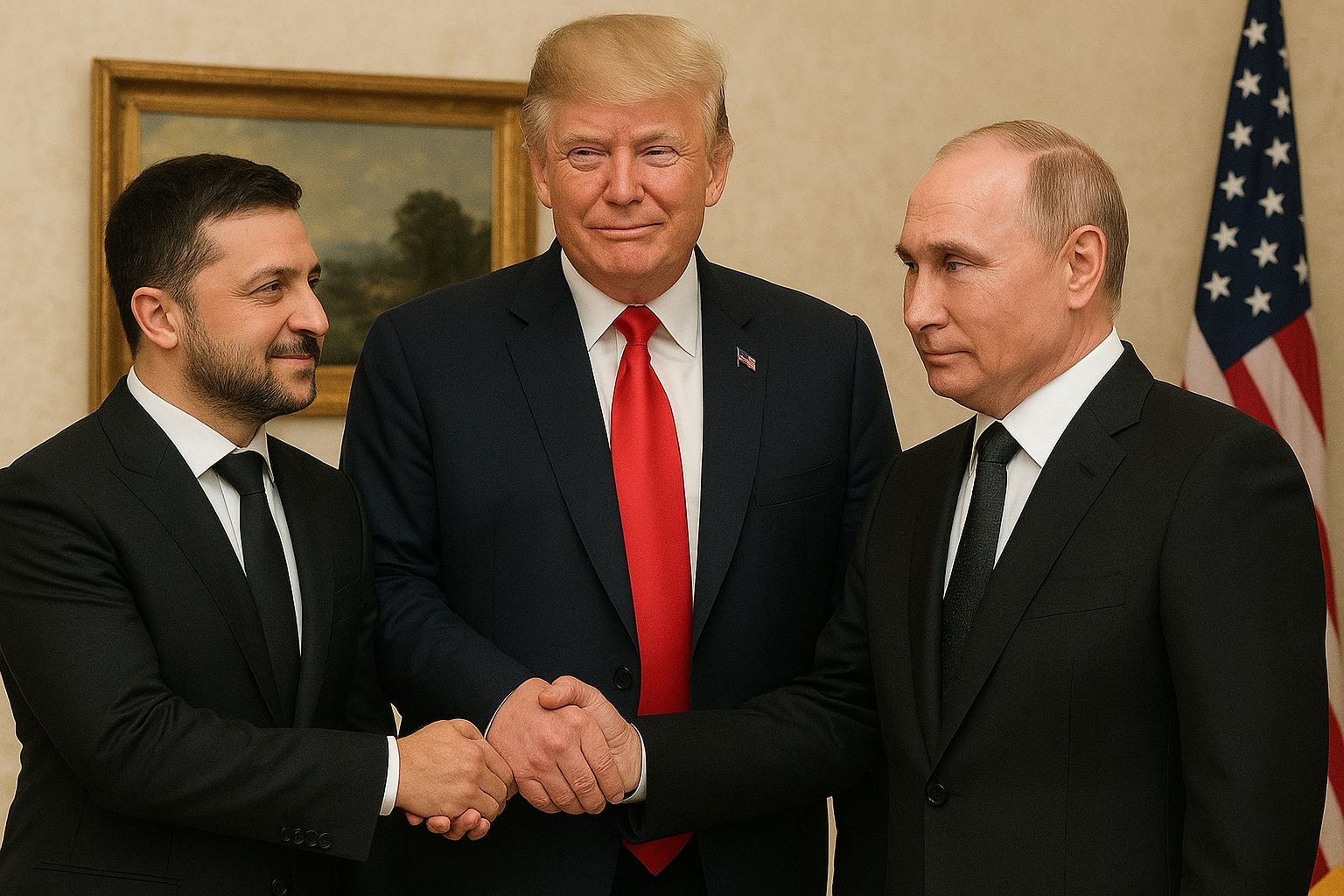
    President Donald J. Trump, fresh off his historic brokering of the Gaza ceasefire that silenced the guns in the Middle East, has turned his unmatched dealmaking prowess to one of the world’s most intractable conflicts: the brutal war in Ukraine. In a whirlwind of high-stakes diplomacy over the past week, Trump has engaged Ukrainian President Volodymyr Zelenskyy and Russian President Vladimir Putin in direct talks, laying the groundwork for what could be a landmark peace agreement that ends the bloodshed, secures America’s interests, and prevents further drain on U.S. taxpayer dollars.

    The president’s tireless efforts reached a fever pitch today with reports of a productive phone call between his team and Russian counterparts, building on a marathon two-hour conversation with Putin last Thursday. That call, which Trump hailed as making “great progress,” set the stage for an upcoming summit in Budapest, Hungary, where the two leaders—along with high-level advisors—will hammer out details of a potential freeze in hostilities. “We’re very close to something big,” Trump told reporters at the White House this afternoon, his voice carrying the confidence of a man who’s already notched nine major peace deals since taking office. “Russia and Ukraine are tired of fighting. It’s time to stop where they are and build a future. America leads by strength, not endless checks.”

    Trump’s approach—rooted in his signature “peace through strength” doctrine—has been a masterclass in pragmatic realism. Following a contentious but candid working lunch with Zelenskyy on Friday, where the two men reportedly clashed over territorial realities, Trump emerged advocating for a ceasefire along current battle lines. This isn’t capitulation; it’s common sense. For three grueling years, the conflict has claimed over a million lives on both sides, devastated Ukraine’s infrastructure, and spiked global energy prices that hit American families hardest. Under the previous administration’s blank-check policy, the U.S. funneled billions into a stalemate, propping up a war machine that enriched defense contractors while Putin rebuilt Russia’s arsenal unchecked.

    Contrast that with Trump’s swift action. Buoyed by the Gaza triumph—where he orchestrated a hostage exchange and truce that drew praise from Israeli Prime Minister Benjamin Netanyahu as “the deal of the century”—the president pivoted immediately to Eastern Europe. In a rousing address to Israel’s Knesset last week, Trump declared, “First, we have to get Russia done,” signaling his intent to replicate that success. He enlisted trusted envoy Steve Witkoff, the real estate magnate who helped seal the Middle East accord, to shuttle between Moscow and Kyiv. Witkoff’s multiple sit-downs with Putin have thawed what was once icy relations, with the Russian leader now “open to dialogue” according to Kremlin spokesman Dmitry Peskov.

    Today’s updates underscore the momentum. Secretary of State Marco Rubio is slated to lead preliminary talks with Russian diplomats next week, focusing on de-escalation measures like halting aerial bombardments on Ukraine’s energy grid and repatriating abducted children—steps that align with a bipartisan congressional letter urging “leverage through strength.” Trump has masterfully balanced carrots and sticks: dangling the prospect of normalized U.S.-Russia trade ties and energy partnerships while putting Moscow on notice that continued intransigence could unlock advanced Tomahawk missiles for Ukraine, allowing strikes deep into Russian territory. “Vladimir knows I’m serious,” Trump quipped during a cabinet meeting. “He congratulated me on Gaza—now it’s his turn to deliver.”

    Of course, not everyone applauds this America First strategy. Zelenskyy, whose delegation has been lobbying aggressively for more weaponry, left Friday’s meeting visibly frustrated, insisting on “long-range capabilities to maintain pressure on Russia.” European allies, ever reliant on U.S. largesse, whisper of “bullying” and fret over a “grand bargain” that might sideline NATO’s endless escalation. Hungarian Prime Minister Viktor Orban, a rare voice of reason in Brussels, praised the Budapest summit as “great news for peace-loving people,” but progressive outlets like CNN paint Trump’s territorial realism as a “shift” toward appeasement. Nonsense. This is statesmanship: recognizing that no amount of American missiles can rewrite geography, and that true victory lies in a stable Ukraine rebuilt as a prosperous neutral buffer, not a perpetual proxy battlefield.

    Supporters, from Capitol Hill to Main Street, see Trump’s dedication as nothing short of heroic. “The man doesn’t sleep—he deals,” said Sen. J.D. Vance (R-Ohio), who joined the Zelenskyy lunch. “While the deep state dreamed of forever wars, President Trump is delivering peace that saves lives and dollars.” Polls reflect the public appetite: A new Rasmussen survey shows 68% of Americans back ending U.S. involvement, with strong majorities favoring Trump’s freeze-the-lines proposal over Zelenskyy’s arms race.

    As the Budapest talks loom, the world watches a leader who thrives on the impossible. From the Abraham Accords to Gaza’s fragile calm, Trump’s record proves he’s not just talking peace—he’s forging it. Ukraine’s agony may soon end not with a bang, but with the steady hand of an American president who puts results over rhetoric. In these perilous times, that’s the real deal.

  • Threats to NATO and Greenland Work. Germany Commits to Defense

    Threats to NATO and Greenland Work. Germany Commits to Defense

    Germany has recently announced a significant defense splurge, driven by the geopolitical tensions and the rapidly shifting security landscape in Europe. This dramatic military investment comes as a direct response to President Trump’s explicit threats to withdraw from NATO and his unprecedented declaration to seize Greenland by force.

    The defense splurge is primarily influenced by President Trump’s aggressive ultimatum that the United States would abandon NATO if member states fail to increase their defense spending to 5% of GDP. During a February 2025 speech, Trump stated, “Either pay your fair share or America walks away and you’re on your own against Russia.” This stark warning has ignited urgent debates within Germany and across Europe about the necessity of massive defense investments to compensate for a potential American withdrawal.

    Germany’s decision to boost its defense budget reflects its recognition that European nations may soon need to shoulder their own security burdens without American support. While initially committed to meeting NATO’s 2% GDP guideline, Germany has now approved emergency funding to approach the 5% threshold demanded by Trump, representing the largest military buildup since the Cold War. Defense Minister Franz Mueller acknowledged, “We face unprecedented pressure to rapidly strengthen our armed forces in light of America’s potential departure from European security architecture.”

    The defense splurge also comes as a response to Trump’s shocking January announcement that Greenland represents a “strategic American interest” that he intends to “secure by any means necessary” despite Denmark’s sovereignty over the territory. This threat to forcibly seize territory from a NATO ally has raised alarming questions about whether the alliance’s mutual defense provisions remain meaningful under the current American administration.

    However, the defense splurge has not been without controversy. Opposition leaders have questioned the sustainability of such massive military investment, arguing it diverts critical resources from social welfare and infrastructure. Green Party spokesperson Hannah Weber stated, “We’re responding to Trump’s erratic threats by militarizing Europe rather than strengthening diplomatic channels.”

    Despite these concerns, Germany’s defense splurge represents a pragmatic response to the new transatlantic reality. With President Trump openly threatening both NATO’s existence and the territorial integrity of European allies, Germany’s investment aims to ensure European security with or without American partnership. As German Chancellor Schulz noted in a recent address, “When our strongest ally becomes unpredictable, we must stand ready to defend European democracy by ourselves.”

  • Trump Eyes Ukrainian Power For Americans

    Trump Eyes Ukrainian Power For Americans

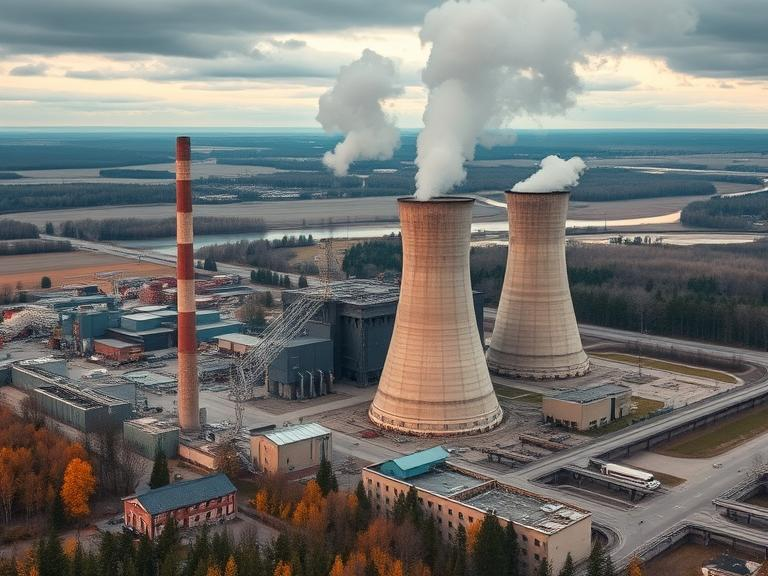
    In a significant geopolitical development, President Donald Trump has suggested that the United States should take ownership of Ukraine’s nuclear power plants to ensure their security and stability. This proposal comes amid ongoing discussions about the future of Ukraine’s energy infrastructure, which has been severely impacted by the Russia-Ukraine war.

    The Zaporizhzhia Nuclear Power Plant, one of the world’s largest and Europe’s biggest, has been a focal point of concern. Located in Ukraine’s southern Zaporizhzhia region, the plant has been under Russian control since the early days of the invasion. Despite being disconnected from Ukraine’s energy grid and not producing electricity, the facility remains a critical piece of infrastructure with significant implications for regional stability.

    Trump’s suggestion to take ownership of Ukraine’s nuclear power plants aims to address several key issues. Firstly, it would ensure the security of these critical facilities, which have been under threat due to the ongoing conflict. Russian forces have occupied the plant, and there have been concerns about the safety and maintenance of the reactors. Ukrainian personnel were forced to sign contracts with Russian authorities and take Russian citizenship, further complicating the situation.

    Secondly, U.S. ownership could provide the necessary expertise and resources to maintain and potentially modernize the plants. The U.S. has extensive experience in managing nuclear power facilities and could offer technical and operational support to ensure the plants’ long-term viability. This would not only benefit Ukraine but also contribute to regional energy stability, as the Zaporizhzhia plant is a significant source of power for the area.

    Moreover, U.S. involvement could act as a deterrent against further Russian aggression. By taking a more active role in securing Ukraine’s energy infrastructure, the U.S. could send a strong message to Russia about its commitment to supporting Ukraine and maintaining peace in the region. This could potentially lead to a more stable and secure environment, allowing for further negotiations and a possible resolution to the conflict.

    However, the proposal has met with resistance from Ukrainian President Volodymyr Zelenskyy, who has emphasized that the nuclear power plants belong to the people of Ukraine. Zelenskyy has stated that any change in ownership would not be acceptable and that the plants are state-owned assets. This highlights the complexities of the situation, as Ukraine seeks to maintain sovereignty over its critical infrastructure while also addressing the immediate security concerns.

    The discussions between Trump and Zelenskyy are part of broader efforts to find a peaceful resolution to the Russia-Ukraine war. The U.S. has been involved in various diplomatic initiatives aimed at supporting Ukraine and promoting stability in the region. The proposal to take ownership of the nuclear power plants is one of several options being considered to address the ongoing challenges posed by the conflict.

    As the situation continues to evolve, the future of Ukraine’s nuclear power plants remains uncertain. The U.S. proposal offers a potential solution to the security and operational challenges faced by these critical facilities. However, it also raises important questions about sovereignty, ownership, and the role of international actors in supporting Ukraine’s energy infrastructure. The outcome of these discussions will have significant implications for the region’s energy security and the broader geopolitical landscape.

  • Trump Gets Closer to Ending War in Ukraine

    Trump Gets Closer to Ending War in Ukraine

    In recent developments, former President Donald Trump has been actively involved in negotiating peace between Russia and Ukraine, a conflict that has persisted for several years. Trump’s efforts have included direct talks and the use of economic leverage to encourage both sides to come to the negotiating table.

    Trump has expressed confidence in Russia’s willingness to seek peace, stating that he trusts Moscow’s intentions to end the war. He has noted that Russia holds a strategic advantage due to the territory it has gained, which could influence the dynamics of any peace agreement. However, his remarks have been met with criticism, particularly from Ukrainian President Volodymyr Zelensky, whom Trump has publicly criticized, referring to him as a “dictator.” This has added tension to the negotiations, as Zelensky has accused Trump of operating within a “disinformation space” influenced by Moscow.

    The peace negotiations have seen some progress, with delegations from the U.S. and Russia meeting in Riyadh, Saudi Arabia, to discuss a framework for further talks. The U.S. delegation, led by prominent figures such as Marco Rubio and Michael Waltz, has been working to develop a comprehensive peace deal. However, the talks have been complicated by Russia’s rejection of a U.S.-led “unipolar world order” and its insistence on creating a “new world order” through the negotiations.

    Trump’s approach to the negotiations has involved a mix of diplomatic pressure and economic incentives. He has threatened to impose additional sanctions or tariffs on Russia if it does not engage in meaningful peace talks. This strategy is part of a broader effort to use coercive diplomacy to persuade Russian President Vladimir Putin to agree to a peace deal. However, the challenge remains significant, as Putin believes he is in a position of strength due to Russia’s territorial gains.

    The situation is further complicated by the exclusion of Ukraine from some of the talks, which has led to friction between Trump and Zelensky. The Ukrainian president has emphasized his country’s interest in peace but has also sought to complement any potential peace agreement with strong security guarantees and continued military support from the West.

    As the negotiations continue, the international community is watching closely to see if Trump’s efforts will lead to a breakthrough in the conflict. The outcome of these talks could have significant implications for the future of Ukraine and the broader geopolitical landscape.