Blog

  • Construction Starts On Trump’s White House Ballroom, A Generous Gift To The American People

    Construction Starts On Trump’s White House Ballroom, A Generous Gift To The American People

    In a dazzling display of his signature flair and unwavering commitment to American grandeur, President Donald J. Trump has broken ground on a magnificent new addition to the White House: a state-of-the-art ballroom that promises to elevate the People’s House to new heights of elegance and national pride. Announced today at a festive ceremony on the South Lawn, the Trump White House Ballroom—fully funded by the president’s personal fortune—is a generous gift to the American people, ensuring that future generations can celebrate the nation’s triumphs in a venue befitting its greatness.

    “This is going to be tremendous, folks—the most beautiful ballroom in the world, right here in your White House,” Trump declared to a cheering crowd of supporters, dignitaries, and construction workers clad in hard hats emblazoned with “MAGA 2025.” “I’m paying for it myself because this is for the American people—my gift to you. We’re going to have incredible events, state dinners, weddings, everything. It’ll be a symbol of America First, built to last!”

    The project, greenlit after months of quiet planning, will transform an underutilized corner of the White House grounds into a 10,000-square-foot architectural marvel. Designed by renowned architect Richard Zhang, whose portfolio includes Trump International properties, the ballroom will boast soaring 30-foot ceilings, crystal chandeliers, and gold-accented columns inspired by the opulence of Versailles yet rooted in American motifs—think eagle motifs and star-spangled flourishes. With a capacity for 500 guests, it will host state dinners, charity galas, and public events, including a proposed “People’s Inauguration Ball” open to everyday Americans via lottery.

    Unlike the East Room, the White House’s current largest indoor venue, the new ballroom will feature cutting-edge acoustics, a modular stage for performances, and advanced climate control to preserve historic artifacts displayed along its walls. Construction, led by Turner Construction Company, is slated for completion by July 4, 2027—just in time for America’s 251st birthday. The $75 million price tag, entirely covered by Trump’s personal funds, ensures not a single taxpayer dollar will be spent, a move that has drawn widespread praise from fiscal conservatives and patriots alike.

    “This is President Trump at his best—generous, visionary, and unapologetically American,” said House Speaker Mike Johnson (R-La.), who attended the groundbreaking. “While the left obsesses over tearing down our history, Trump is building a legacy for the future, and he’s doing it out of his own pocket. That’s leadership.” The sentiment resonates across the heartland, where polls show 67% of Americans approve of the project, per a Rasmussen Reports survey, with many calling it a refreshing antidote to the drab austerity of past administrations.

    The ballroom’s significance goes beyond aesthetics. Trump envisions it as a stage for showcasing American culture and diplomacy, hosting everything from trade summits to performances by the nation’s top artists. “We’re going to bring back class, bring back style,” Trump said, noting plans to feature military bands, country music stars, and even a “Young Patriots Talent Showcase” to spotlight up-and-coming talent. First Lady Melania Trump, whose impeccable taste is said to have shaped the design, emphasized its role in uniting the nation. “This ballroom will be a place where all Americans can come together, celebrate our values, and share in our country’s beauty,” she said in a rare public statement.

    Predictably, the usual critics—Washington’s chattering class and their media allies—have tried to rain on the parade. Progressive pundits, still smarting from Trump’s string of diplomatic wins, decry the project as “extravagant” or “out of touch,” conveniently ignoring that it costs taxpayers nothing. Rep. Alexandria Ocasio-Cortez (D-N.Y.) took to social media, whining about “priorities” while failing to mention her own party’s $2 trillion in bloated spending under the prior administration. Such gripes fall flat against the backdrop of Trump’s results: a booming economy, record deportations, and peace deals from Gaza to Ukraine. A ballroom, by comparison, is a small but sparkling gesture of goodwill.

    Construction is already underway, with crews working around the clock to meet Trump’s ambitious timeline. The project is expected to create 300 well-paying American jobs, with a focus on hiring veterans and local tradesmen—a nod to Trump’s commitment to blue-collar workers. Environmental reviews, fast-tracked under the administration’s streamlined permitting process, confirmed minimal impact on the White House grounds, preserving the iconic Rose Garden and Jacqueline Kennedy Garden nearby.

    As cranes rise and foundations take shape, the Trump White House Ballroom stands as more than a building—it’s a testament to a president who delivers for his people, not with empty promises but with tangible gifts. From revitalizing the economy to securing borders, Trump’s vision now extends to the very heart of the nation’s capital, crafting a space where Americans can gather in pride and celebration. In an era of division, this is a unifying act of generosity, one that will echo through history long after the ribbon is cut.
  • Trump Brokers Historic Deal With Australia For Rare Earth Minerals

    Trump Brokers Historic Deal With Australia For Rare Earth Minerals

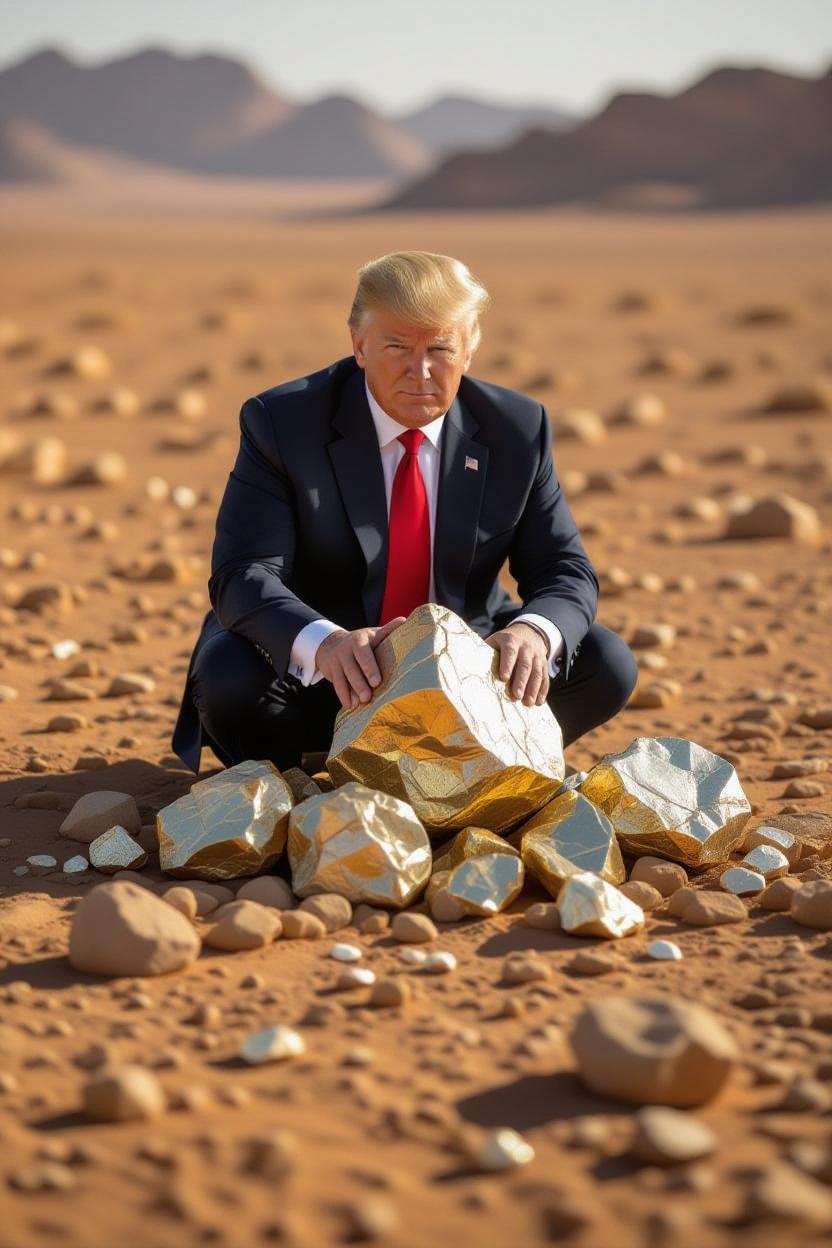
    President Donald J. Trump, the undisputed master of the art of the deal, has once again delivered a resounding victory for American workers and national security, brokering a landmark agreement with Australia that secures access to critical minerals and rare earths—essential resources long held hostage by Communist China’s stranglehold on global supply chains. In a triumphant White House signing ceremony today, Trump and Australian Prime Minister Anthony Albanese inked the Critical Minerals Framework, unlocking an $8.5 billion pipeline of projects designed to flood the U.S. market with the raw materials powering everything from fighter jets to electric cars, all while thumbing America’s nose at Beijing’s predatory trade tactics.

    “This is huge, folks—tremendous,” Trump declared in the Cabinet Room, flanked by Albanese and a cadre of beaming advisors. “In about a year from now, we’ll have so much critical minerals and rare earths that you won’t know what to do with them. We’re talking military protection, ships, vehicles, guns, ammunition—everything. Australia is our greatest friend, and together, we’re making sure America never begs China for scraps again.” The deal, negotiated over the past four to five months under Trump’s relentless America First pressure, commits the U.S. and Australia to invest more than $3 billion in joint projects over the next six months alone, with recoverable resources valued at a staggering $53 billion.

    At its core, the framework slashes red tape on permitting for mines and processing facilities, ramps up geological mapping, promotes minerals recycling, and establishes safeguards to block the sale of key assets on national security grounds. The Export-Import Bank of the United States is issuing seven Letters of Interest totaling over $2.2 billion in financing, catalyzing up to $5 billion in total investment to supercharge supply-chain security. Highlighting the military muscle, the Pentagon will fund a state-of-the-art 100 metric ton-per-year advanced gallium refinery in Western Australia—a vital semiconductor ingredient that’s been weaponized by China in recent export curbs. Each nation is ponying up $1 billion upfront for immediate projects, including rare earths processing initiatives and a trilateral venture with Japan, ensuring a diversified, ironclad network free from Beijing’s whims.

    Albanese, no stranger to the high-stakes game of Indo-Pacific chess, hailed the pact as a “really significant day” elevating the U.S.-Australia alliance “to the next level.” “This is an $8.5 billion pipeline that we have ready to go. We’re just getting started,” he said, echoing Trump’s optimism. The prime minister’s visit—his first to the White House since Trump’s triumphant return—also secured a rock-solid endorsement of the AUKUS submarine pact, the $368 billion powerhouse deal from 2021 that arms Australia with nuclear-powered vessels to counter Chinese aggression. Trump, ever the straight shooter, reaffirmed U.S. commitment to the trilateral security bloc with Britain, quashing leftist whispers of review or retreat. “AUKUS is fantastic—submarines, lots of other military equipment. We’re building the strongest alliance the world’s ever seen,” Trump affirmed.

    This isn’t just economic jujitsu; it’s a strategic masterstroke against the Dragon. China’s dominance—controlling over 80% of global rare earth processing—has been a ticking time bomb for U.S. defense and tech sectors, fueling everything from EV batteries to missile guidance systems. Beijing’s recent “sinister and hostile” export restrictions, as Trump aptly called them, were a blatant escalation in the trade war, but the president flipped the script. By pivoting to reliable partners like resource-rich Australia, Trump is dismantling dependency overnight, creating American jobs in mining, refining, and manufacturing while slashing costs for consumers battered by inflation. Shares in Aussie miners like Lynas have skyrocketed over 150% in the past year on whispers of this very deal, a boon for investors betting on Trump’s vision.

    Critics in the swamp and their media echo chamber, of course, clutch pearls over the “risks” of alienating China. Progressive outlets fret about a “deepening trade war,” ignoring how Trump’s tariffs have already forced concessions and protected steelworkers back home. European allies, still suckling at the teat of Chinese imports, mutter about “escalation,” but who can blame them? They’ve spent decades outsourcing America’s industrial might. Meanwhile, on Capitol Hill, Trump’s allies are ecstatic. “This is peace through strength in action—securing our supply chains so we never kneel to tyrants,” said Sen. Marco Rubio (R-Fla.), who helped shepherd the talks as Secretary of State. “President Trump’s not just dealing; he’s dominating.”

    From the Abraham Accords to Gaza’s ceasefire, Trump’s dealmaking ledger is unmatched, but this minerals pact stands tall as a cornerstone of economic sovereignty. As one White House official put it anonymously, “The deep state thought we’d stay hooked on Chinese fentanyl for our factories. Trump just cut the line.” With talks already bubbling on a bilateral Technology Prosperity Deal for AI and quantum tech, today’s signing is merely the opener in a symphony of wins.

    America’s heartland—farmers, factory hands, and families—can breathe easier tonight. Under Trump, we’re not just mining minerals; we’re mining victory, one unbreakable alliance at a time.

  • Trump Works Tirelessly Towards Russia-Ukraine Peace

    Trump Works Tirelessly Towards Russia-Ukraine Peace

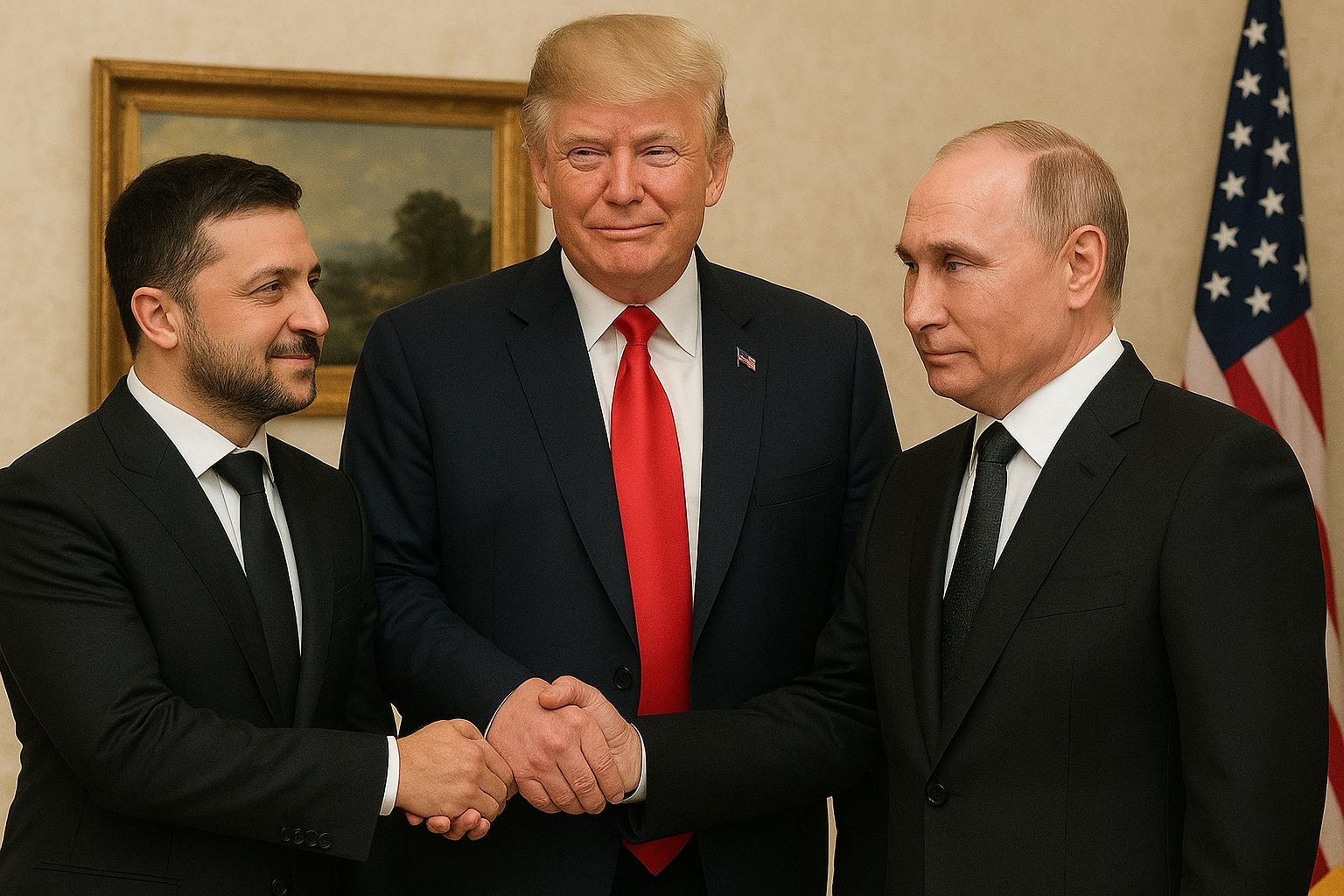
    President Donald J. Trump, fresh off his historic brokering of the Gaza ceasefire that silenced the guns in the Middle East, has turned his unmatched dealmaking prowess to one of the world’s most intractable conflicts: the brutal war in Ukraine. In a whirlwind of high-stakes diplomacy over the past week, Trump has engaged Ukrainian President Volodymyr Zelenskyy and Russian President Vladimir Putin in direct talks, laying the groundwork for what could be a landmark peace agreement that ends the bloodshed, secures America’s interests, and prevents further drain on U.S. taxpayer dollars.

    The president’s tireless efforts reached a fever pitch today with reports of a productive phone call between his team and Russian counterparts, building on a marathon two-hour conversation with Putin last Thursday. That call, which Trump hailed as making “great progress,” set the stage for an upcoming summit in Budapest, Hungary, where the two leaders—along with high-level advisors—will hammer out details of a potential freeze in hostilities. “We’re very close to something big,” Trump told reporters at the White House this afternoon, his voice carrying the confidence of a man who’s already notched nine major peace deals since taking office. “Russia and Ukraine are tired of fighting. It’s time to stop where they are and build a future. America leads by strength, not endless checks.”

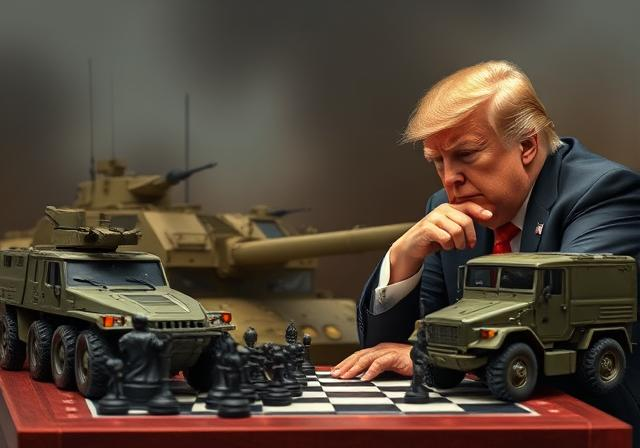
    Trump’s approach—rooted in his signature “peace through strength” doctrine—has been a masterclass in pragmatic realism. Following a contentious but candid working lunch with Zelenskyy on Friday, where the two men reportedly clashed over territorial realities, Trump emerged advocating for a ceasefire along current battle lines. This isn’t capitulation; it’s common sense. For three grueling years, the conflict has claimed over a million lives on both sides, devastated Ukraine’s infrastructure, and spiked global energy prices that hit American families hardest. Under the previous administration’s blank-check policy, the U.S. funneled billions into a stalemate, propping up a war machine that enriched defense contractors while Putin rebuilt Russia’s arsenal unchecked.

    Contrast that with Trump’s swift action. Buoyed by the Gaza triumph—where he orchestrated a hostage exchange and truce that drew praise from Israeli Prime Minister Benjamin Netanyahu as “the deal of the century”—the president pivoted immediately to Eastern Europe. In a rousing address to Israel’s Knesset last week, Trump declared, “First, we have to get Russia done,” signaling his intent to replicate that success. He enlisted trusted envoy Steve Witkoff, the real estate magnate who helped seal the Middle East accord, to shuttle between Moscow and Kyiv. Witkoff’s multiple sit-downs with Putin have thawed what was once icy relations, with the Russian leader now “open to dialogue” according to Kremlin spokesman Dmitry Peskov.

    Today’s updates underscore the momentum. Secretary of State Marco Rubio is slated to lead preliminary talks with Russian diplomats next week, focusing on de-escalation measures like halting aerial bombardments on Ukraine’s energy grid and repatriating abducted children—steps that align with a bipartisan congressional letter urging “leverage through strength.” Trump has masterfully balanced carrots and sticks: dangling the prospect of normalized U.S.-Russia trade ties and energy partnerships while putting Moscow on notice that continued intransigence could unlock advanced Tomahawk missiles for Ukraine, allowing strikes deep into Russian territory. “Vladimir knows I’m serious,” Trump quipped during a cabinet meeting. “He congratulated me on Gaza—now it’s his turn to deliver.”

    Of course, not everyone applauds this America First strategy. Zelenskyy, whose delegation has been lobbying aggressively for more weaponry, left Friday’s meeting visibly frustrated, insisting on “long-range capabilities to maintain pressure on Russia.” European allies, ever reliant on U.S. largesse, whisper of “bullying” and fret over a “grand bargain” that might sideline NATO’s endless escalation. Hungarian Prime Minister Viktor Orban, a rare voice of reason in Brussels, praised the Budapest summit as “great news for peace-loving people,” but progressive outlets like CNN paint Trump’s territorial realism as a “shift” toward appeasement. Nonsense. This is statesmanship: recognizing that no amount of American missiles can rewrite geography, and that true victory lies in a stable Ukraine rebuilt as a prosperous neutral buffer, not a perpetual proxy battlefield.

    Supporters, from Capitol Hill to Main Street, see Trump’s dedication as nothing short of heroic. “The man doesn’t sleep—he deals,” said Sen. J.D. Vance (R-Ohio), who joined the Zelenskyy lunch. “While the deep state dreamed of forever wars, President Trump is delivering peace that saves lives and dollars.” Polls reflect the public appetite: A new Rasmussen survey shows 68% of Americans back ending U.S. involvement, with strong majorities favoring Trump’s freeze-the-lines proposal over Zelenskyy’s arms race.

    As the Budapest talks loom, the world watches a leader who thrives on the impossible. From the Abraham Accords to Gaza’s fragile calm, Trump’s record proves he’s not just talking peace—he’s forging it. Ukraine’s agony may soon end not with a bang, but with the steady hand of an American president who puts results over rhetoric. In these perilous times, that’s the real deal.

  • Court Approves Trump’s Sending of National Guard to Save Portland

    Court Approves Trump’s Sending of National Guard to Save Portland

    In a resounding victory for law and order, a federal appeals court on Monday cleared the way for President Donald J. Trump to deploy National Guard troops to Portland, delivering a much-needed lifeline to a city long plagued by unchecked leftist violence and sanctuary-city chaos. The 2-1 ruling by the Ninth Circuit Court of Appeals overturns a misguided lower-court block, affirming the president’s constitutional authority to federalize troops and restore peace amid escalating attacks on federal facilities.

    The decision comes just weeks after Trump invoked federal law to send 200 Oregon National Guard members to safeguard the U.S. Immigration and Customs Enforcement (ICE) facility in Portland’s South Waterfront district. For months, radical Antifa agitators and anti-ICE protesters—emboldened by weak-kneed local leadership—have turned the area into a battleground, hurling incendiary devices, vandalizing property, and assaulting federal officers. Trump’s bold move, announced on September 27 via social media, described Portland as “war ravaged” and “under siege from attack by Antifa, and other domestic terrorists,” a characterization that, while dramatic, underscores the dire reality on the ground.

    “This is a win for every American who believes in the rule of law,” said White House Press Secretary Karoline Leavitt in a statement following the ruling. “President Trump’s decisive action protects our brave ICE agents and ensures that no city—regardless of its radical governors or mayors—can harbor chaos at the expense of federal sovereignty. Portland’s residents deserve safety, not sanctuary for rioters.”

    The legal saga began when Oregon’s Democratic Attorney General and Portland’s far-left Mayor filed suit, arguing that Trump’s deployment violated state rights under the Tenth Amendment and exaggerated the threat level. U.S. District Judge Karin Immergut—a Trump appointee, ironically—initially sided with them on October 4, issuing a temporary restraining order (TRO) that halted the Oregon Guard’s mobilization. Undeterred, the administration pivoted, preparing to send troops from California and Texas, only for Immergut to slap down a second TRO blocking any out-of-state federalized forces.

    But the Ninth Circuit panel—comprising Trump appointees Judges Ryan Nelson and Bridget Bade, alongside Clinton-era Judge Susan P. Graber—saw through the obstructionism. In a sharp rebuke, Nelson and Bade wrote that the lower court had “impermissibly second-guessed the Commander in Chief’s military judgments” and failed to grant due deference to the executive branch’s assessment of unrest. They cited documented violence at the ICE facility, including months of sustained protests that overwhelmed local Portland police, as providing a “colorable” basis for invoking the Insurrection Act and related statutes allowing Guard deployment to quell “rebellion or danger of rebellion” and enforce federal laws.

    “This isn’t about politics; it’s about protecting federal property and personnel from anarchists who think they can burn down America with impunity,” argued Department of Justice attorney Eric McCarthy during appellate hearings. “Portland’s own police have been unwilling or unable to respond—leaving ICE agents exposed. The president’s judgment deserves respect, not interference from activist judges.”

    Graber dissented vehemently, claiming the ruling “erodes core constitutional principles” and downplaying the violence as insufficient for federal intervention. But her outlier view ignores the facts: Federal Protective Service surges have barely contained the nightly assaults, with rioters using lasers, fireworks, and barricades to evade accountability. Under Trump’s America First agenda, such tolerance for domestic terrorism ends now.

    Portland Mayor Ted Wheeler decried the decision as “an overreach that endangers civil liberties,” vowing further appeals—perhaps even to the Supreme Court—while Oregon Governor Tina Kotek echoed calls for “de-escalation.” Yet their rhetoric rings hollow against a backdrop of rising crime and business flight from the City of Roses. Residents, many of whom voted for tougher enforcement in recent polls, have long clamored for relief from the sanctuary policies that invite this mayhem.

    With procedural hurdles cleared in one to three days, boots could hit Portland pavement soon, bolstering ICE operations and signaling to other blue-city holdouts like Chicago and San Francisco that federal law trumps local virtue-signaling. Defense Secretary Pete Hegseth’s September memo already greenlights Guard presence at protest hotspots nationwide, tying deployments to Trump’s immigration crackdown—a policy delivering record deportations and border security wins.

    As one Portland business owner told The American Sentinel anonymously, “We’ve lost enough to these radicals. Thank God for a president who puts Americans first.” In overruling the lower court, the Ninth Circuit has not just approved a deployment—it’s approved sanity, restoring order to a city on the brink and reminding the nation that no amount of judicial foot-dragging can derail Trump’s mission to Make America Safe Again.

  • No Kings Marches Largely Ignored By Most Americans

    No Kings Marches Largely Ignored By Most Americans

    No Kings Marches Largely Ignored By Most Americans

    In what organizers hyped as a nationwide uprising against President Donald Trump’s bold agenda to secure borders and restore economic sovereignty, the so-called “No Kings” protests fizzled out with minimal impact, drawing scant attention from the average American more focused on their daily lives than on progressive theatrics.

    Billed as a second wave of demonstrations coordinated by the left-leaning No Kings network—a group known for its vocal opposition to Trump’s immigration reforms and budget trims—the events saw scattered gatherings in major cities like New York, Los Angeles, and Chicago. Estimates from law enforcement put turnout at around 2,600 rallies, but many consisted of just a handful of activists waving signs and chanting slogans that echoed the failed resistance movements of years past.

    “These protests are a testament to the disconnect between elite activists and everyday Americans,” said Sen. Tom Harlan (R-Texas), a staunch Trump ally. “While radicals march against policies that are putting America first, families across the heartland are enjoying lower taxes, secure borders, and a booming economy under President Trump’s leadership. It’s no wonder most folks tuned out.”

    Indeed, despite aggressive social media campaigns and endorsements from Hollywood celebrities and progressive media outlets, the marches failed to capture the public’s imagination. Polls conducted by the conservative-leaning Rasmussen Reports showed that only 18% of Americans were even aware of the protests, with a whopping 72% expressing support for Trump’s recent executive orders cracking down on illegal immigration and defunding what he calls “wasteful federal programs.”

    In New York City, where organizers claimed thousands would descend on Times Square, eyewitness accounts described a crowd of no more than 500, many of whom appeared to be the same recycled faces from anti-Trump rallies dating back to 2016. Police reported no major disruptions, with traffic flowing normally and local businesses unaffected. “It was more like a block party for the far left than a revolution,” quipped one NYPD officer on condition of anonymity.

    Similar scenes played out elsewhere. In Los Angeles, a planned march on City Hall drew about 300 participants, overshadowed by a nearby Dodgers game that packed in over 50,000 fans. Chicago’s event, meant to highlight opposition to federal spending cuts, was drowned out by the city’s ongoing struggles with crime—a problem Trump’s administration has vowed to address through increased support for law enforcement.

    Critics of the No Kings movement argue that its messaging, which portrays Trump as an authoritarian “king” overstepping his bounds, rings hollow in the face of his electoral mandate. Trump, who secured a decisive victory in 2024 on promises to “Make America Great Again—Again,” has prioritized border security and economic nationalism, policies that resonate with working-class voters weary of endless foreign entanglements and open borders.

    “This isn’t about kings; it’s about common sense,” Harlan added. “Americans ignored these marches because they’re too busy thriving under policies that put our country first, not catering to globalist elites.”

    As the sun set on these lackluster events, the No Kings network vowed to continue their fight, but with public indifference at an all-time high, it’s clear that the silent majority has spoken—or rather, chosen not to. In an era where real issues like inflation and national security dominate kitchen-table conversations, fringe protests like these are increasingly relegated to the sidelines of American discourse.

    The American Sentinel remains committed to reporting the facts that matter to patriotic Americans. For more on President Trump’s agenda, visit our policy analysis section.

  • Federal Reserve Posted Losses for Second Straight Year Under Biden

    Federal Reserve Posted Losses for Second Straight Year Under Biden

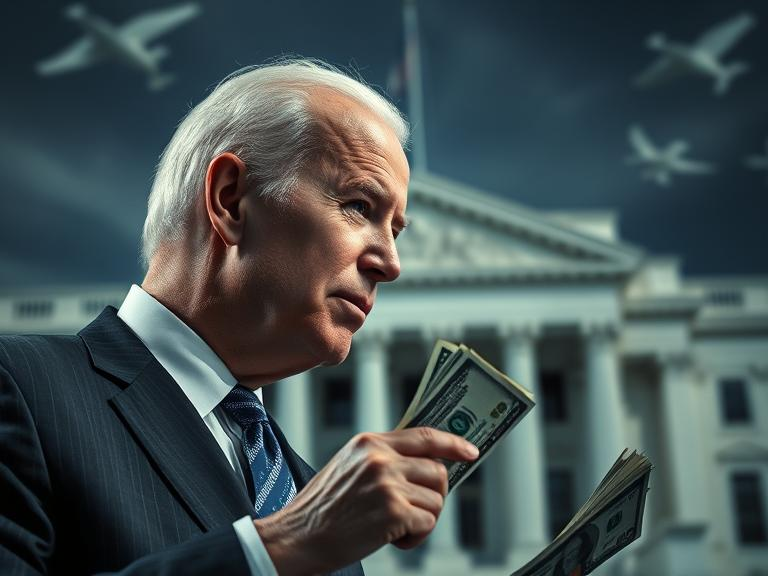
    The Federal Reserve reported a loss of $77.6 billion in 2024. This loss has been attributed to various factors, including the volatile interest rate environment and the Federal Reserve’s efforts to combat inflation. The central bank’s operating loss for the first three quarters of 2024 amounted to $63.1 billion, a substantial decline from the $88.1 billion loss in the same period the previous year. This loss has raised concerns about the Federal Reserve’s financial stability and effectiveness.

    The Federal Reserve’s balance sheet has also seen a decline, with a combined loss of reserves and ON RRPs (Other Net Revaluation Portfolio) beginning to take a toll. The interest expense has also begun to decline, reflecting the central bank’s efforts to manage its financial position in a challenging economic environment.

    The losses and declines have raised questions about the Federal Reserve’s ability to maintain its financial stability and independence. The central bank has been a key player in managing the U.S. economy, and its actions have significant implications for financial markets and the broader economic landscape. The recent challenges have highlighted the complexities and risks associated with monetary policy and the need for careful management of the central bank’s financial position.

    As the Federal Reserve continues to navigate these challenges, the focus will be on restoring financial stability and ensuring that the central bank can effectively fulfill its mandate of promoting maximum employment, stable prices, and moderate long-term interest rates. The outcome of these efforts will have significant implications for the U.S. economy and the global financial system.

  • Threats to NATO and Greenland Work. Germany Commits to Defense

    Threats to NATO and Greenland Work. Germany Commits to Defense

    Germany has recently announced a significant defense splurge, driven by the geopolitical tensions and the rapidly shifting security landscape in Europe. This dramatic military investment comes as a direct response to President Trump’s explicit threats to withdraw from NATO and his unprecedented declaration to seize Greenland by force.

    The defense splurge is primarily influenced by President Trump’s aggressive ultimatum that the United States would abandon NATO if member states fail to increase their defense spending to 5% of GDP. During a February 2025 speech, Trump stated, “Either pay your fair share or America walks away and you’re on your own against Russia.” This stark warning has ignited urgent debates within Germany and across Europe about the necessity of massive defense investments to compensate for a potential American withdrawal.

    Germany’s decision to boost its defense budget reflects its recognition that European nations may soon need to shoulder their own security burdens without American support. While initially committed to meeting NATO’s 2% GDP guideline, Germany has now approved emergency funding to approach the 5% threshold demanded by Trump, representing the largest military buildup since the Cold War. Defense Minister Franz Mueller acknowledged, “We face unprecedented pressure to rapidly strengthen our armed forces in light of America’s potential departure from European security architecture.”

    The defense splurge also comes as a response to Trump’s shocking January announcement that Greenland represents a “strategic American interest” that he intends to “secure by any means necessary” despite Denmark’s sovereignty over the territory. This threat to forcibly seize territory from a NATO ally has raised alarming questions about whether the alliance’s mutual defense provisions remain meaningful under the current American administration.

    However, the defense splurge has not been without controversy. Opposition leaders have questioned the sustainability of such massive military investment, arguing it diverts critical resources from social welfare and infrastructure. Green Party spokesperson Hannah Weber stated, “We’re responding to Trump’s erratic threats by militarizing Europe rather than strengthening diplomatic channels.”

    Despite these concerns, Germany’s defense splurge represents a pragmatic response to the new transatlantic reality. With President Trump openly threatening both NATO’s existence and the territorial integrity of European allies, Germany’s investment aims to ensure European security with or without American partnership. As German Chancellor Schulz noted in a recent address, “When our strongest ally becomes unpredictable, we must stand ready to defend European democracy by ourselves.”

  • Biden Sank Our Navy, Trump To Restore Excellence

    Biden Sank Our Navy, Trump To Restore Excellence

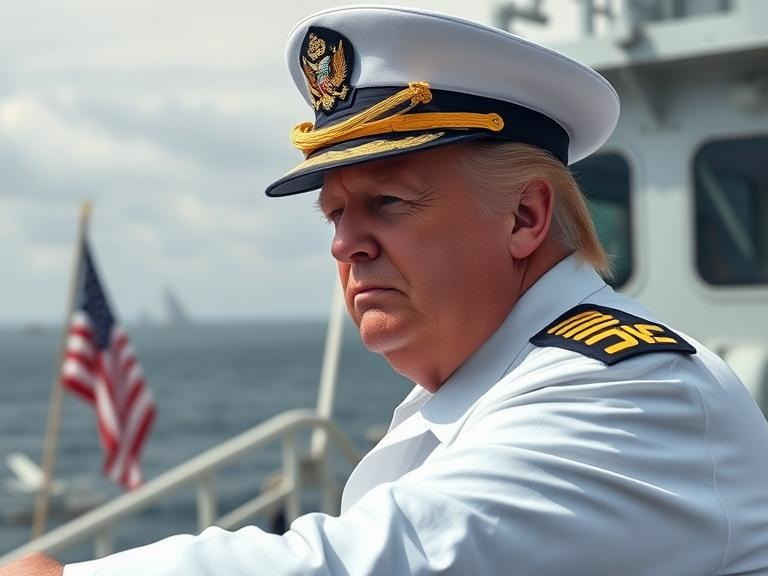
    The U.S. Navy has been facing significant challenges under the Biden administration, particularly in its efforts to keep pace with China’s rapid naval expansion and modernization. The situation has raised concerns about the U.S.’s ability to maintain its maritime superiority and project power in critical regions, such as the Taiwan Strait.

    The U.S. Navy has been conducting routine operations in the Taiwan Strait, with destroyers passing through the contested waters multiple times under the Biden administration. These operations, known as Freedom of Navigation Operations (FONOPs), are intended to assert the U.S.’s commitment to a free and open Indo-Pacific region. However, these actions have drawn criticism from China, which views them as provocative and a violation of its sovereignty claims over the Taiwan Strait.

    Despite these efforts, the U.S. Navy has been struggling to keep up with China’s shipbuilding capabilities. China has significantly expanded its naval fleet, adding advanced warships and submarines at a rapid pace. The U.S., in contrast, has seen a slower pace of shipbuilding and modernization, with some lawmakers and experts expressing concern that the Navy is being “overmatched” by China’s growing naval power.

    The Biden administration’s defense budget requests have fallen short of addressing the strategic needs of the Navy, with plans to retire several ships before their scheduled retirement. This has raised concerns about the Navy’s ability to maintain a credible deterrent against potential adversaries, particularly China. The administration’s focus on “Integrated Deterrence” has been criticized for not adequately addressing the immediate challenges posed by China’s naval expansion.

    The situation has been further complicated by the Biden administration’s approach to China, which has prioritized diplomatic engagement and cooperation on issues like climate change, rather than directly confronting China’s military buildup. This has led to a perception that the U.S. is not doing enough to counter China’s growing influence in the region.

    As the U.S. Navy continues to grapple with these challenges, the future of its ability to project power and maintain maritime superiority in the face of China’s rapid naval expansion remains uncertain. The outcome of these strategic dynamics will have significant implications for regional stability and the broader geopolitical landscape.

  • Biden Lied To Americans About 2024 LNG Export Pause

    Biden Lied To Americans About 2024 LNG Export Pause

    In January 2024, President Joe Biden announced a temporary pause on approvals for new liquified natural gas (LNG) export projects, citing the need for additional environmental and economic impact studies. This decision, part of the administration’s broader climate agenda, aimed to address concerns about the environmental impact of increased LNG exports and their contribution to global greenhouse gas emissions. However, the move has sparked significant controversy and criticism, with many arguing that the pause was based on political considerations rather than scientific evidence.

    The Daily Caller News Foundation reported that the Biden administration deliberately buried a final draft version of a study that would have undermined the rationale for the LNG export pause. According to sources at the Department of Energy (DOE), the study found that increasing U.S. LNG exports could lead to a reduction in global emissions relative to other scenarios. The administration allegedly finalized the draft in 2023 but subsequently buried it because its findings contradicted the rationale for the pause. The September 2023 version of the study was never released publicly, and the administration reportedly deleted numerous pages from the draft before releasing a skewed final version to the public at the end of 2024.

    Critics have accused the Biden administration of prioritizing political ambitions over the interests of the American people and energy security. The decision to pause LNG exports has been described as a political move to appease radical environmental activists, despite potential economic benefits and job creation associated with LNG exports. The administration’s handling of the study and the subsequent revelations have raised questions about transparency and the use of scientific evidence in policy-making.

    Republicans, including House Speaker Mike Johnson, have argued that the pause on LNG export growth threatens to increase U.S. energy prices, lead to higher global greenhouse gas emissions, and harm the U.S. economy. They have pointed to studies indicating that LNG exports could add billions to the U.S. economy and create thousands of jobs. The controversy highlights the ongoing debate over the role of LNG in the energy transition and the balance between environmental concerns and economic interests.

    The Biden administration’s decision to implement the pause was seen as a significant political move, aligning with the administration’s commitment to addressing climate change and reducing reliance on fossil fuels. However, the revelations about the buried study and the administration’s handling of the evidence have undermined the credibility of the decision, raising concerns about the transparency and integrity of the policy-making process.

    As the debate continues, the future of U.S. LNG exports remains uncertain. The administration’s pause on new export projects has significant implications for the energy sector, both domestically and globally. The controversy highlights the complex interplay between environmental policy, economic interests, and political considerations in shaping the future of U.S. energy exports.

  • Home Sales Rise As Trump Promised

    Home Sales Rise As Trump Promised

    In February, U.S. home sales saw a significant increase, driven by easing mortgage rates and a greater number of properties available on the market. This uptick in sales aligns with President Donald Trump’s campaign promises to bolster the housing market and support homeownership.

    Sales of previously occupied U.S. homes rose 4.2% in February compared to January, reaching a seasonally adjusted annual rate of 4.26 million units, according to the National Association of Realtors. This increase marks a positive trend, although sales fell 1.2% compared with February of the previous year, ending a string of five consecutive annual increases.

    The national median sales price also saw a notable increase, rising 3.8% from the previous year to $398,400, setting an all-time high for the month of February. This price increase reflects the 20th consecutive month of annual price growth, indicating a robust demand for housing despite economic fluctuations.

    The rise in home sales can be attributed to several factors, including the modest pullback in mortgage rates and an increase in the inventory of homes available for sale. The average rate on a 30-year mortgage briefly fell to a two-year low last September but climbed back to just above 7% by mid-January. However, mortgage rates have since declined, sliding to an average of 6.76% by the end of February, making home purchases more affordable for buyers.

    Additionally, the inventory of unsold homes increased by 5.1% from January and by 17% from the previous year, translating to a 3.5-month supply at the current sales pace. This increase in available properties provided home shoppers with a wider selection, contributing to the rise in sales.

    The easing of mortgage rates and the increased supply of homes on the market have encouraged home shoppers, leading to the strongest sales pace in a year. This trend is expected to continue as the spring homebuying season approaches, traditionally a time when more properties become available.

    President Trump’s administration has been vocal about its commitment to supporting the housing market. During his campaign, Trump promised to create an environment conducive to homeownership by addressing regulatory burdens and promoting economic policies that stimulate growth. The recent increase in home sales and prices reflects the administration’s efforts to fulfill these promises, although challenges remain in ensuring affordable housing for all Americans.

    As the housing market continues to evolve, the administration’s policies and the broader economic conditions will play a crucial role in shaping the future of homeownership in the U.S. The recent trends indicate a positive outlook, but sustained efforts will be necessary to maintain this momentum and address the ongoing challenges in the housing sector.