Author: cyancrater

  • Crooked Liberal Law Firms Are Bending the Knee

    Crooked Liberal Law Firms Are Bending the Knee

    In a significant development, President Donald Trump has rescinded an executive order targeting the law firm Paul, Weiss, Rifkind, Wharton & Garrison LLP (Paul Weiss) after the firm agreed to a $40 million commitment in pro bono legal services. This move highlights a shift in the administration’s approach towards the influential law firm, which has been at the center of political and legal controversies.

    The original executive order aimed to suspend security clearances held by individuals at Paul Weiss and restrict the firm’s access to government contracts and sensitive information. The order was part of a broader effort by the Trump administration to address perceived risks to national security and to ensure that federal benefits align with the laws and policies of the United States.

    However, in a surprising turn of events, Trump announced the withdrawal of the order after Paul Weiss agreed to several key commitments. The firm pledged to dedicate $40 million in pro bono legal services during Trump’s term to support administration goals. This commitment includes taking on clients that represent a diverse spectrum of political viewpoints, aligning with the administration’s stance against diversity, equity, and inclusion (DEI) policies.

    The agreement also includes a commitment from Paul Weiss to merit-based hiring and promotion practices, ensuring that the firm’s operations are conducted without consideration of DEI policies. This aligns with the Trump administration’s broader agenda to eliminate what it views as unlawful discrimination perpetrated in the name of diversity, equity, and inclusion.

    The rescinding of the executive order comes as a relief to Paul Weiss, which faced significant repercussions from the original order. The firm’s security clearances were immediately suspended, and its access to sensitive information and government buildings was restricted. The order also halted all material and services provided to the firm, including access to sensitive compartmented information facilities (SCIFs).

    The Trump administration’s decision to withdraw the order highlights the complex relationship between the government and private entities, particularly law firms that handle sensitive and high-stakes legal matters. The agreement reached with Paul Weiss demonstrates the administration’s willingness to negotiate and find common ground, even with firms that have been critical of its policies.

    As the administration continues to address national security concerns and promote its policy agenda, the rescinding of the executive order against Paul Weiss serves as a notable example of how cooperation and commitment to shared goals can lead to mutually beneficial outcomes. The $40 million commitment in pro bono legal services is expected to support various initiatives aligned with the administration’s priorities, furthering its efforts to shape the legal landscape according to its vision.

  • Schools Wrestled from Government Crooks and Returned to the States

    Schools Wrestled from Government Crooks and Returned to the States

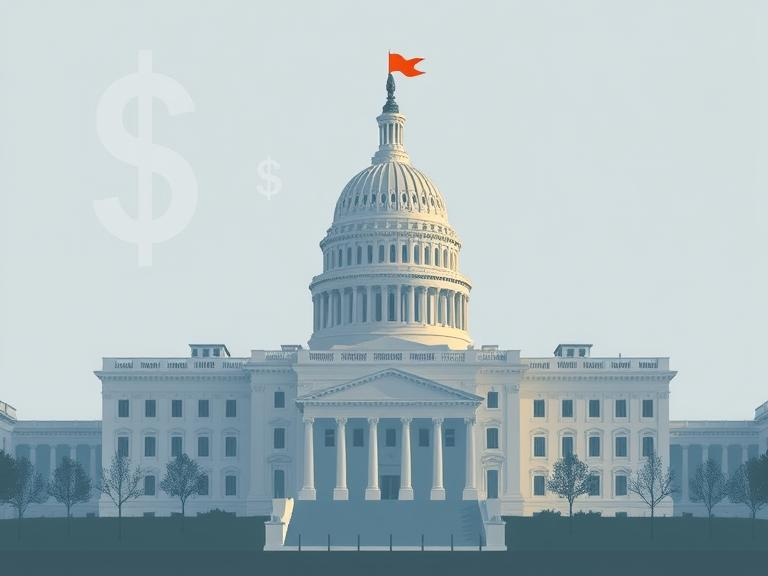
    In a bold move, President Donald Trump has signed an executive order aimed at dismantling the Department of Education, a long-held goal of conservative policymakers. This order directs Education Secretary Linda McMahon to initiate the process of closing the agency and transferring its authorities to state and local governments. However, the complete shutdown of the department would require congressional approval, which remains uncertain.

    The executive order is part of Trump’s broader effort to reduce the federal government’s role in education and promote state control over educational policies. The administration argues that returning educational responsibilities to the states will enhance efficiency and better address local needs. Critics, however, contend that this move could lead to disparities in educational quality and accessibility across different regions.

    The Department of Education oversees a range of critical functions, including the administration of student loans, federal funds for lower-income students, and special education programs. The executive order aims to keep some of these core functions intact while significantly minimizing the department’s overall footprint. The administration has already taken steps to reduce the department’s workforce, indicating a commitment to downsizing even without full congressional support.

    One of the primary advantages of dismantling the Department of Education is the return of control to state and local governments. This decentralization allows for more tailored educational policies that can better address the unique needs and priorities of individual communities. Local control can foster innovation and responsiveness in education, as decisions are made closer to the students and families they affect.

    Additionally, eliminating the federal bureaucracy associated with the Department of Education could lead to significant cost savings. A substantial portion of the department’s budget is allocated to administrative overhead and managing federal programs. Redirecting these funds to state and local education initiatives could potentially improve resource allocation and efficiency.

    Moreover, reducing federal overreach is a key argument for dismantling the department. Critics have long argued that the Department of Education represents an overreach of federal authority into areas traditionally managed by states. By dismantling the department, the federal government’s influence over education policy would be diminished, allowing states to exercise greater autonomy in shaping their educational systems.

    However, the success of this initiative will depend on how effectively states and local governments can manage the transition and address the challenges that arise from the federal government’s reduced role in education. The debate continues, with proponents of the dismantling arguing that these changes could lead to a more efficient, responsive, and locally controlled education system.

    The executive order also highlights the importance of state rights in the context of education policy. By transferring authority to state and local governments, the order emphasizes the principle of federalism, which advocates for a balance of power between the federal government and the states. This shift could empower states to innovate and experiment with different educational approaches without the constraints imposed by federal regulations.

    As the administration pushes forward with its plans, educators, students, and policymakers alike are bracing for potential changes in the educational landscape. The outcome of this initiative will depend on the ability of states to manage the transition and ensure that educational quality and accessibility are maintained.

  • Extreme-Left Terrorists Target Tesla, Playbook Leaked In Official Memo

    Extreme-Left Terrorists Target Tesla, Playbook Leaked In Official Memo

    In a series of recent attacks, Tesla vehicles and dealerships across the United States have been targeted, leading to significant damage and safety concerns. These incidents have escalated tensions and raised questions about the motivations behind the attacks and the company’s response.

    The attacks have been widespread, with reports of vandalism and arson in multiple cities, including Las Vegas, Seattle, and Kansas City. In Las Vegas, an individual used incendiary devices to set several Tesla vehicles on fire at a collision center, causing extensive damage. Similar incidents have occurred in other locations, where vehicles were set ablaze and, in some cases, shot at. The FBI is actively investigating these incidents, classifying them as potential acts of domestic terrorism.

    The FBI’s involvement underscores the seriousness of the situation, as the attacks appear to be coordinated and aimed at intimidating Tesla and its customers. The agency is working with local law enforcement and the Bureau of Alcohol, Tobacco, Firearms, and Explosives to investigate the incidents and bring those responsible to justice. Attorney General Pam Bondi has vowed to prosecute the perpetrators to the fullest extent of the law, warning that anyone involved in these attacks will face severe consequences.

    The attacks have sparked outrage and concern within the Tesla community, with many owners and supporters expressing fear and frustration. The company has been vocal in condemning the violence, and CEO Elon Musk has called the attacks “evil.” The situation has also drawn attention to the broader political climate, as some have suggested that the attacks are a response to Musk’s increasing influence in the Trump administration.

    In a related development, a leaked memo from the University of Texas (UT) has revealed details of the institution’s response to recent protests on campus. The memo highlights the university’s efforts to manage the situation, including attempts to engage with student organizers and maintain open lines of communication with the community. However, the memo also acknowledges the challenges faced during the protests, which led to arrests and sparked national controversy.

    The leaked memo has brought to light the complexities of managing protests on university campuses, particularly when tensions are high and emotions are running strong. The university’s response has been criticized by some students and faculty, who have called for greater transparency and accountability in handling such situations. The memo emphasizes the university’s commitment to supporting free speech while ensuring the safety and security of all members of the campus community.

    As the investigations into the Tesla attacks continue and the university addresses the fallout from the protests, both situations highlight the ongoing challenges of balancing security with the rights to expression and assembly.

  • Biden’s Illegal Pardons Are Null and Void

    Biden’s Illegal Pardons Are Null and Void

    In a recent development, former President Donald Trump has asserted that the pardons issued by President Joe Biden are illegitimate, claiming they were signed using an autopen rather than by Biden himself. This assertion has sparked controversy and raised questions about the validity and legality of presidential pardons.

    Trump’s claim centers on the use of an autopen, a mechanical device that replicates a signature, to sign the pardons. He argues that because Biden did not physically sign the documents, the pardons are void. This claim has been met with skepticism from legal experts, who point out that there is no constitutional requirement for a president to personally sign a pardon. The use of an autopen has been accepted in various governmental contexts, and previous presidents, including Trump himself, have utilized this method for signing documents.

    Legal scholars have emphasized that once a pardon is granted and delivered, it is considered final and irrevocable. There is no legal precedent or mechanism that allows a successor to nullify pardons issued by a previous president. The burden of proof lies with Trump to demonstrate a legal pathway to declare the pardons void, which he has not provided.

    The pardons in question were issued by Biden to members of the House Jan. 6 committee, which investigated the Capitol attack. Biden’s administration has maintained that these pardons were intended to protect individuals who had done nothing wrong but could potentially face retribution. Trump’s criticism appears to be part of a broader effort to undermine the legitimacy of Biden’s actions and to suggest that Biden lacked the cognitive capacity to authorize the pardons.

    Critics, including Senator Adam Schiff, have dismissed Trump’s assertions as baseless threats designed to intimidate and silence political opponents. They argue that Trump’s claims are an attempt to distract from the findings of the Jan. 6 committee and to cast doubt on the integrity of the pardon process.

    The debate highlights the ongoing political tensions between the two administrations and raises important questions about the limits of presidential power and the inviolability of pardons. As the legal and political landscape continues to evolve, the validity of Biden’s pardons remains a contentious issue, with potential implications for future presidential actions.

  • Trump Eyes Ukrainian Power For Americans

    Trump Eyes Ukrainian Power For Americans

    In a significant geopolitical development, President Donald Trump has suggested that the United States should take ownership of Ukraine’s nuclear power plants to ensure their security and stability. This proposal comes amid ongoing discussions about the future of Ukraine’s energy infrastructure, which has been severely impacted by the Russia-Ukraine war.

    The Zaporizhzhia Nuclear Power Plant, one of the world’s largest and Europe’s biggest, has been a focal point of concern. Located in Ukraine’s southern Zaporizhzhia region, the plant has been under Russian control since the early days of the invasion. Despite being disconnected from Ukraine’s energy grid and not producing electricity, the facility remains a critical piece of infrastructure with significant implications for regional stability.

    Trump’s suggestion to take ownership of Ukraine’s nuclear power plants aims to address several key issues. Firstly, it would ensure the security of these critical facilities, which have been under threat due to the ongoing conflict. Russian forces have occupied the plant, and there have been concerns about the safety and maintenance of the reactors. Ukrainian personnel were forced to sign contracts with Russian authorities and take Russian citizenship, further complicating the situation.

    Secondly, U.S. ownership could provide the necessary expertise and resources to maintain and potentially modernize the plants. The U.S. has extensive experience in managing nuclear power facilities and could offer technical and operational support to ensure the plants’ long-term viability. This would not only benefit Ukraine but also contribute to regional energy stability, as the Zaporizhzhia plant is a significant source of power for the area.

    Moreover, U.S. involvement could act as a deterrent against further Russian aggression. By taking a more active role in securing Ukraine’s energy infrastructure, the U.S. could send a strong message to Russia about its commitment to supporting Ukraine and maintaining peace in the region. This could potentially lead to a more stable and secure environment, allowing for further negotiations and a possible resolution to the conflict.

    However, the proposal has met with resistance from Ukrainian President Volodymyr Zelenskyy, who has emphasized that the nuclear power plants belong to the people of Ukraine. Zelenskyy has stated that any change in ownership would not be acceptable and that the plants are state-owned assets. This highlights the complexities of the situation, as Ukraine seeks to maintain sovereignty over its critical infrastructure while also addressing the immediate security concerns.

    The discussions between Trump and Zelenskyy are part of broader efforts to find a peaceful resolution to the Russia-Ukraine war. The U.S. has been involved in various diplomatic initiatives aimed at supporting Ukraine and promoting stability in the region. The proposal to take ownership of the nuclear power plants is one of several options being considered to address the ongoing challenges posed by the conflict.

    As the situation continues to evolve, the future of Ukraine’s nuclear power plants remains uncertain. The U.S. proposal offers a potential solution to the security and operational challenges faced by these critical facilities. However, it also raises important questions about sovereignty, ownership, and the role of international actors in supporting Ukraine’s energy infrastructure. The outcome of these discussions will have significant implications for the region’s energy security and the broader geopolitical landscape.

  • Trump Gets Closer to Ending War in Ukraine

    Trump Gets Closer to Ending War in Ukraine

    In recent developments, former President Donald Trump has been actively involved in negotiating peace between Russia and Ukraine, a conflict that has persisted for several years. Trump’s efforts have included direct talks and the use of economic leverage to encourage both sides to come to the negotiating table.

    Trump has expressed confidence in Russia’s willingness to seek peace, stating that he trusts Moscow’s intentions to end the war. He has noted that Russia holds a strategic advantage due to the territory it has gained, which could influence the dynamics of any peace agreement. However, his remarks have been met with criticism, particularly from Ukrainian President Volodymyr Zelensky, whom Trump has publicly criticized, referring to him as a “dictator.” This has added tension to the negotiations, as Zelensky has accused Trump of operating within a “disinformation space” influenced by Moscow.

    The peace negotiations have seen some progress, with delegations from the U.S. and Russia meeting in Riyadh, Saudi Arabia, to discuss a framework for further talks. The U.S. delegation, led by prominent figures such as Marco Rubio and Michael Waltz, has been working to develop a comprehensive peace deal. However, the talks have been complicated by Russia’s rejection of a U.S.-led “unipolar world order” and its insistence on creating a “new world order” through the negotiations.

    Trump’s approach to the negotiations has involved a mix of diplomatic pressure and economic incentives. He has threatened to impose additional sanctions or tariffs on Russia if it does not engage in meaningful peace talks. This strategy is part of a broader effort to use coercive diplomacy to persuade Russian President Vladimir Putin to agree to a peace deal. However, the challenge remains significant, as Putin believes he is in a position of strength due to Russia’s territorial gains.

    The situation is further complicated by the exclusion of Ukraine from some of the talks, which has led to friction between Trump and Zelensky. The Ukrainian president has emphasized his country’s interest in peace but has also sought to complement any potential peace agreement with strong security guarantees and continued military support from the West.

    As the negotiations continue, the international community is watching closely to see if Trump’s efforts will lead to a breakthrough in the conflict. The outcome of these talks could have significant implications for the future of Ukraine and the broader geopolitical landscape.

  • Violence Plummets as Trump Deports Millions of Criminal Illegals

    Violence Plummets as Trump Deports Millions of Criminal Illegals

    In a move that has sparked significant controversy and legal challenges, former President Donald Trump’s administration has recently carried out a series of deportations targeting illegal immigrants. This initiative, part of a broader plan to enforce stringent immigration policies, has raised questions about the legality and ethics of such actions.

    The deportations proceeded despite a federal judge’s order temporarily barring the removals. The flights carrying the deportees were already in the air when the order was issued, highlighting the administration’s determination to execute its immigration agenda regardless of legal obstacles. This disregard for judicial oversight has raised concerns about the rule of law and the potential for miscarriages of justice.

    The administration has not provided concrete evidence supporting these allegations, and many of the deported individuals had not been convicted of any crimes in the U.S. The use of the Alien Enemies Act of 1798, last invoked during World War II, grants the president extraordinary powers to detain or remove foreigners deemed a threat during wartime. Trump claimed that the U.S. is being invaded by Tren de Aragua (TdA), justifying the mass deportations under this archaic law.

    Trump’s broader plan includes rounding up all undocumented immigrants, placing them in “tent” camps, and summarily deporting them. This plan, if fully implemented, would affect an estimated 10.9 million people, according to the Center for Migration Studies of New York. The logistical and financial burden of such an operation would be immense, with significant costs for erecting detention facilities and using military aircraft for deportations. Moreover, the plan would divert local law enforcement from their primary duties, potentially compromising public safety.

    The deportation initiative has created a climate of fear within immigrant communities. Even U.S. citizens and legal residents could be inadvertently caught up in the sweeps, facing arrest and detention with limited opportunities to defend themselves. This environment of uncertainty and fear could lead to racial and ethnic profiling, further exacerbating tensions within communities.

    Critics argue that Trump’s deportation plan undermines the principles of due process and fairness that are foundational to the U.S. legal system. The administration’s focus on deporting individuals who have lived in the U.S. for decades, often with family members who are citizens, raises ethical questions about the human cost of such policies. Additionally, the plan’s implementation faces practical challenges, including the limited availability of detention space and the cooperation of countries willing to accept deportees.

    Regarding violence rates, the FBI’s latest report shows that violent crime fell by an estimated 3% between 2022 and 2023. Murder and non-negligent manslaughter reduced by 12%, the largest drop in the last 20 years. In 2023, the FBI recorded a rate of 363.8 violent crimes per 100,000 people, down from the 2022 rate of 377.1 violent crimes per 100,000 people. This trend indicates a general decrease in violent crime rates over the past year, despite fluctuations in certain categories.

    The availability of data on violence against women and girls has improved considerably in recent years, with data on the prevalence of intimate partner violence now available for at least 161 countries. This highlights the ongoing issue of domestic violence and its impact on communities.

    As the situation unfolds, it remains to be seen how the judicial system and public opinion will shape the future of these policies. The deportations and the broader immigration plan have significant implications for both the immigrant community and the nation as a whole.